Understanding DC School Closings: A Comprehensive Guide For Parents And Students - Establish a structured schedule at home to mimic the school environment and promote consistency. Provide a safe space for your child to express concerns and seek professional help if needed.
Establish a structured schedule at home to mimic the school environment and promote consistency.
Closings disrupt peer interactions, extracurricular activities, and collaborative learning opportunities. This isolation can affect students' emotional health and social skills development.
Parents forced to take time off work to care for children during closings may face reduced income or career setbacks.
Staying informed about DC school closings is vital for timely decision-making. Here are some official communication channels to monitor:
Incorporate hands-on activities and real-world applications to keep learning engaging and relevant.
Students from underserved communities may experience greater learning losses due to limited access to resources during closures.
DC school closings have become a critical issue affecting thousands of families across the District of Columbia. Whether due to emergencies, weather conditions, or systemic challenges, these closures impact educational continuity and family planning. As a parent, guardian, or student, understanding the reasons behind these closings and how to stay informed is essential for navigating this complex situation.
Efforts to upgrade school facilities aim to reduce closures caused by structural issues.
Investing in robust online learning tools ensures continuity of education during disruptions.
Unexpected DC school closings can strain family budgets, particularly for those relying on school-provided meals or transportation. Explore the following financial strategies:
Frequent disruptions highlight the need for improved infrastructure, technology, and contingency planning within the education system.
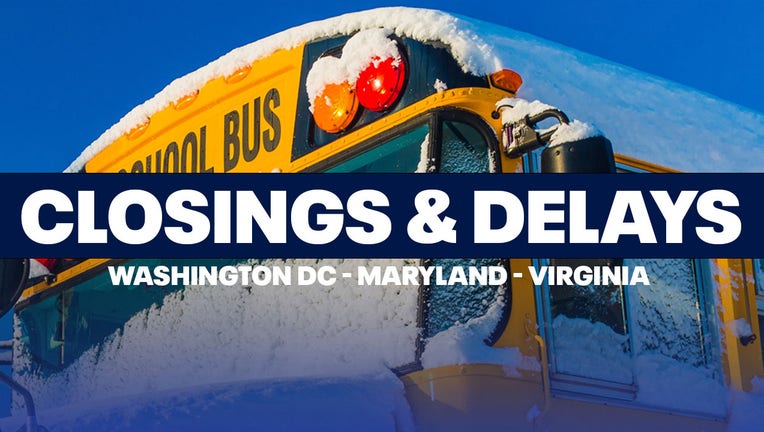
School closings, delays in DC, Maryland, Virginia for Wednesday
